Safety
5 electrical safety tips every homeowner should know
Regularly inspect electrical cords and outlets for signs of wear or damage, such as fraying, exposed wires, or burn marks.
Introduction
Electrical systems power almost every part of your home, but they're often overlooked until something goes wrong. A small issue like a loose outlet or overloaded circuit can quickly become a serious safety hazard if ignored. Fortunately, many electrical problems are preventable with a few simple habits and routine maintenance. Whether you've recently moved into a new home or have lived in the same house for years, following basic electrical safety practices can help protect your property, reduce repair costs, and keep your family safe.
Why electrical safety matters
Every year, electrical faults contribute to thousands of home fires and unexpected power failures. Most of these incidents begin with minor problems that go unnoticed for months. Regular maintenance and safe everyday practices greatly reduce the risk while helping your electrical system perform more efficiently.
1. Avoid overloading outlets
Modern homes rely on dozens of electronic devices, but every circuit has a limit. Plugging multiple high-powered appliances into one outlet or extension cord can cause overheating and trip breakers.
Good habits include
Use surge-protected power strips.
Spread appliances across different outlets.
Avoid daisy-chaining extension cords.
Unplug devices that aren't in use.
2. Replace damaged cords immediately
Electrical cords naturally wear over time. Cracked insulation, exposed wires, or loose plugs should never be ignored. Even minor damage can lead to electric shock or short circuits.
Watch for signs such as
Frayed cables
Burn marks around plugs
Loose wall outlets
Sparks when plugging in devices
If you notice any of these, replace the damaged cord or contact a licensed electrician.
3. Test your safety outlets
Bathrooms, kitchens, garages, and outdoor spaces usually include GFCI outlets that automatically shut off power if a fault is detected. Test these outlets every month using the built-in Test and Reset buttons to ensure they're working properly.
4. Keep your electrical panel accessible
Your breaker panel is the control center of your home's electrical system. Keep it clean, clearly labeled, and easy to reach during emergencies.
Best practices
Label every circuit.
Leave at least three feet of clearance.
Never block the panel with storage.
Don't repeatedly reset tripped breakers without finding the cause.
5. Schedule professional inspections
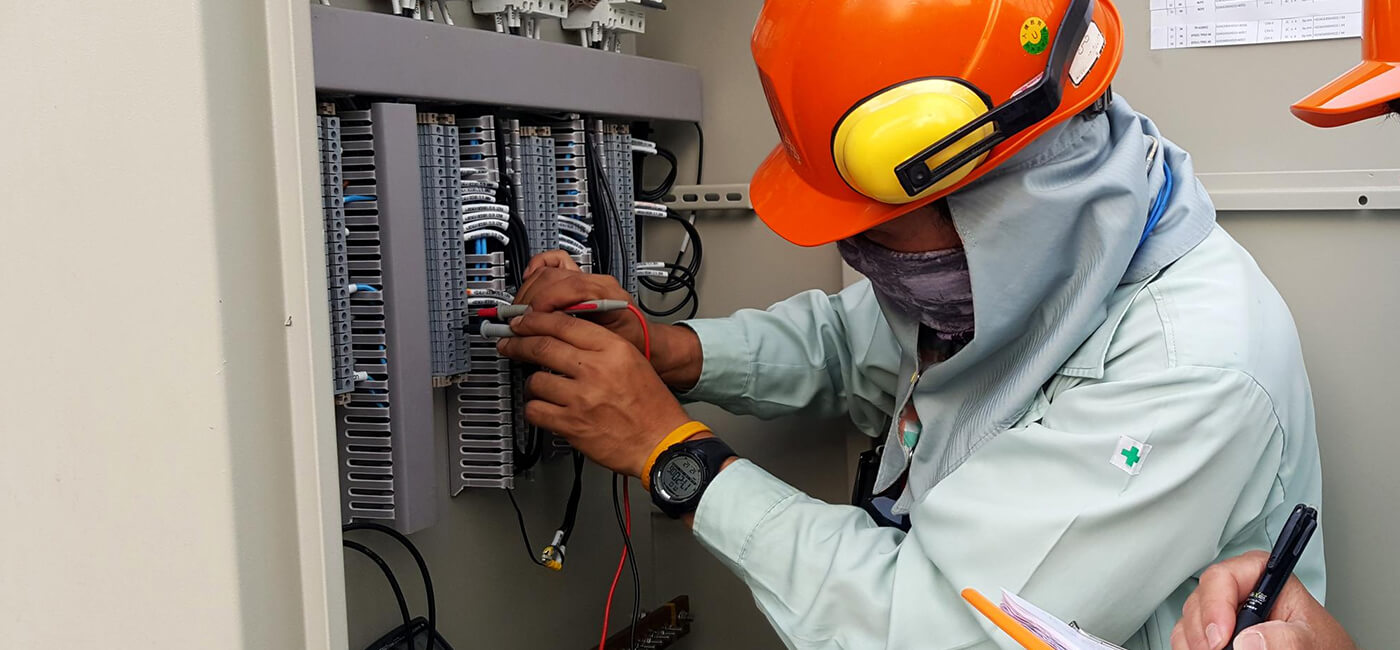
Even if everything appears to be working normally, hidden issues may exist behind walls or inside your electrical panel. Routine inspections help identify worn wiring, overloaded circuits, and outdated components before they become serious problems.
Professional inspections are especially recommended if:
Your home is over 20 years old.
You're planning a renovation.
Breakers trip frequently.
Lights regularly flicker.
You've recently purchased a home.
Quick safety checklist
✔ Avoid overloading outlets.
✔ Replace damaged cords promptly.
✔ Test GFCI outlets every month.
✔ Keep your electrical panel accessible.
✔ Schedule regular electrical inspections.
Conclusion
Electrical safety starts with small, consistent habits. Taking the time to inspect your home's electrical system, replace worn components, and schedule routine professional maintenance can prevent costly repairs and improve overall safety. When you're unsure about an electrical issue, it's always best to contact a licensed electrician rather than attempting a repair yourself.


